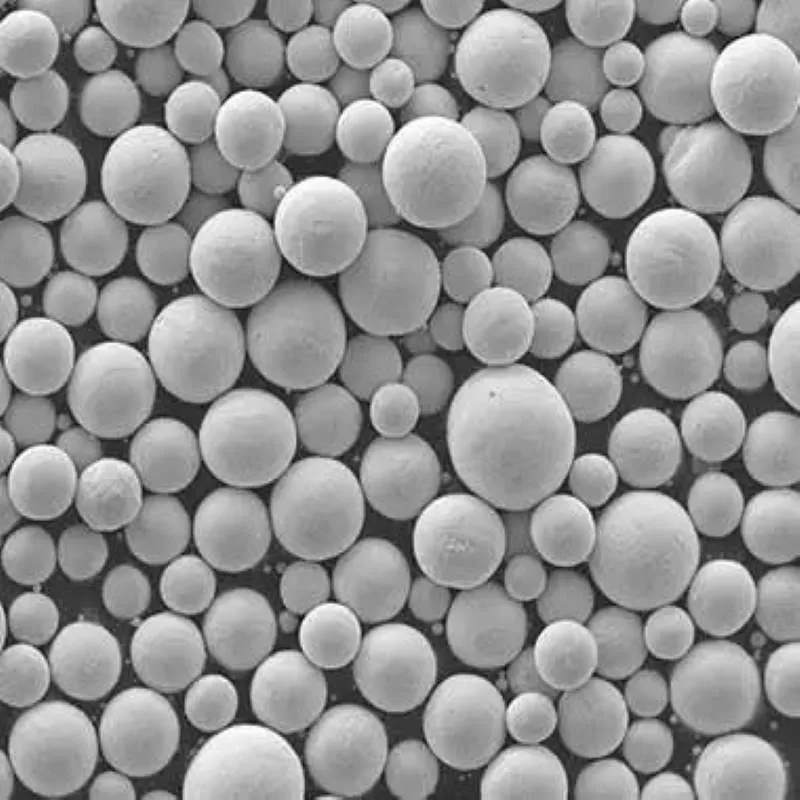
Spherical ASTM A514 Steel Powder, grade K
Product Code : SP-CSTI-544-CU
We provide Spherical ASTM A514 Steel Powder, grade K,Spherical ASTM A514 Steel Powder, grade K is suitable for laser/electron beam augmentation, hot isostatic pressing, laser cladding, hot/cold spraying, and so on. The particles can be irregular and spherical. The particle distribution can reach the nanometer scale.,Spherical Particle Size,0-15μm,,15-45um,15-53μm, 20-63um,45-105um,45-150μm , 50-150um,75-150μm,or customized,Product purity and oxygen content can be customized according to requirements.
Please contact us if you need customized services. We will contact you with the price and availability in 24 hours.
ASTM A514 Steel Spherical Powder, grade K, plate thickness ≤ 19 mm Product Information
-:-
For detailed product information, please contact sales.
-:
ASTM A514 Steel Spherical Powder, grade K, plate thickness ≤ 19 mm Synonyms
-:-
For detailed product information, please contact sales.
-:
-:-
For detailed product information, please contact sales.
-:
Spherical ASTM A514 Steel Powder, grade K characteristics
-:-
For detailed product information, please contact sales.
-:
Spherical ASTM A514 Steel Powder, grade K Particle Size
-:-
For detailed product information, please contact sales.
-:
-:-
-:-
0-15μm ,5-25μm, 15-45μm, 15-53μm,20-63um, 45-75μm, 45-105μm, 45-150μm ,75-150μm.
(Various granularities can be customized according to customer requirements)
-:-
For detailed product information, please contact sales.
-:
Spherical ASTM A514 Steel Powder, grade K Applicable processes
-:-
For detailed product information, please contact sales.
-:
Laser/electron beam additive manufacturing (SLM/EBM, 3D printing)
Direct laser deposition (DLD)
Used in thermal spray (TSA)
Powder hot isostatic pressing (HIP)
Metal injection molding (MIM)
Powder metallurgy (PM)
Laser cladding (LC), etc.
-:-
For detailed product information, please contact sales.
-:
Spherical ASTM A514 Steel Powder, grade K Chemical Composition
-:-
For detailed product information, please contact sales.
-:
-:-
For detailed product information, please contact sales.
-:
ASTM A514 Steel, grade K, plate thickness ≤ 19 mm Product Information
-:-
For detailed product information, please contact sales.
-:
## **Technical Data Sheet: ASTM A514 Steel, Grade K (Plate Thickness ≤ 19 mm / 0.75 in)**
### **1. Product Overview**
ASTM A514 Grade K is a specialized high-strength, quenched and tempered alloy steel plate engineered to deliver exceptional atmospheric corrosion resistance combined with ultra-high strength in thin-section applications. As the primary weathering steel grade within the A514 family, Grade K provides a **minimum yield strength of 100 ksi (690 MPa)** for thicknesses up to 19 mm while offering corrosion resistance **approximately four times greater than conventional carbon steel**. This unique combination makes Grade K the optimal choice for exposed structural applications where maximum durability in aggressive environments must be achieved without sacrificing structural efficiency or requiring protective coatings.
### **2. International Standards & Specifications**
- **Primary Standard:** ASTM A514/A514M - *Standard Specification for High-Yield-Strength, Quenched and Tempered Alloy Steel Plate, Suitable for Welding*
- **Dimensional Standard:** ASTM A6/A6M
- **Corrosion Testing Standard:** ASTM G101 (Estimating Atmospheric Corrosion Resistance)
- **International Equivalents:**
- **EN Standard:** EN 10025-6 Grade S690QL (strength equivalent) + weathering characteristics of EN 10025-5
- **Weathering Steel Standards:** ASTM A242 Type 2, ASTM A588 (similar corrosion philosophy at lower strength)
- **JIS Standard:** JIS G3128 SWH 685A (Japanese weathering high-strength steel)
- **ISO Standard:** ISO 4950-3 EQ 690 with ISO 5952 weathering steel requirements
- **GB/T Standard:** GB/T 4171 Q690NH (Chinese weathering high-strength steel)
- **Canadian Standard:** CSA G40.21 690W (Canadian weathering high-strength steel)
### **3. Chemical Composition (Heat Analysis, % by Weight)**
| Element | Min (%) | Max (%) | Metallurgical Function |
|---------|---------|---------|------------------------|
| Carbon (C) | 0.12 | 0.19 | Balanced for strength while maintaining weldability in weathering steel |
| Manganese (Mn) | 0.70 | 1.00 | Provides solid solution strengthening and hardenability |
| Phosphorus (P) | — | 0.035 | Impurity control |
| Sulfur (S) | — | 0.040 | Impurity control |
| Silicon (Si) | 0.15 | 0.30 | Lower range optimized for weathering steel performance |
| **Chromium (Cr)** | **0.40** | **0.65** | **Essential for atmospheric corrosion resistance** |
| **Copper (Cu)** | **0.25** | **0.40** | **Primary weathering element for protective patina formation** |
| Nickel (Ni) | 0.25 | 0.50 | Enhances toughness and supports corrosion resistance |
| Molybdenum (Mo) | 0.15 | 0.25 | Provides hardenability and tempering resistance |
| Vanadium (V) | 0.01 | 0.10 | Grain refinement and precipitation strengthening |
| **Boron (B)** | **0.0005** | **0.005** | **Critical for achieving full hardenability in thin sections** |
| **Zirconium (Zr)** | **—** | **0.12** | **Optional grain refiner (typically 0.05-0.10%)** |
| **Titanium (Ti)** | **—** | **0.025** | **Grain size control (optional addition)** |
**Weathering Steel Chemistry Key:**
- **Cu + Cr + Ni Total:** Typically ≥ 0.70% for effective weathering performance
- **Carbon Equivalent (Ceq):** Approximately 0.55-0.65 (IIW formula)
- **Phosphorus Control:** Often specified ≤ 0.030% for improved weldability
### **4. Mechanical & Physical Properties (For Thickness ≤ 19 mm)**
| Property | Specification Requirement | Typical Value | Test Standard |
|----------|--------------------------|---------------|-------------|
| **Yield Strength (Rp0.2), min** | **100 ksi (690 MPa)** | 105 – 115 ksi (725 – 795 MPa) | ASTM A370 |
| **Tensile Strength (Rm)** | **115 – 135 ksi (790 – 930 MPa)** | 120 – 130 ksi (825 – 895 MPa) | ASTM A370 |
| **Elongation in 2 in. (50 mm), min** | **18%** | 20 – 24% | ASTM A370 |
| **Reduction of Area, min** | **40%** | 45 – 60% | ASTM A370 |
| **Brinell Hardness** | **235 – 293 HBW** | 245 – 280 HBW | ASTM E10 |
| **Charpy V-Notch Impact Energy** | **20 ft-lb (27 J) min** at specified temp* | 35 – 70 J at -18°C (0°F) | ASTM A370 |
| **Modulus of Elasticity** | — | 29,000 ksi (200 GPa) | — |
| **Shear Modulus** | — | 11,200 ksi (77 GPa) | — |
| **Poisson's Ratio** | — | 0.29 | — |
| **Density** | — | 0.284 lb/in³ (7.85 g/cm³) | — |
| **Thermal Conductivity** | — | 28.5 W/m·K at 100°C | — |
| **Coefficient of Thermal Expansion** | — | 11.5 × 10⁻⁶/°C (20-100°C) | — |
| **Atmospheric Corrosion Rate** | — | 0.3 – 0.5 mils/year (7.6 – 12.7 μm/year) in rural atmosphere | ASTM G101 |
| **Corrosion Resistance Factor** | — | 4× carbon steel (minimum) | — |
*Test temperature typically specified by purchaser; common requirements are 0°F (-18°C) or -20°F (-29°C)
### **5. Heat Treatment & Microstructural Characteristics**
- **Condition as Supplied:** Quenched and Tempered (Q&T)
- **Quenching Method:** Accelerated cooling (water or polymer quench)
- **Tempering Temperature:** 1150-1250°F (621-677°C)
- **Microstructure:** Fine tempered martensite with uniform carbide distribution
- **Prior Austenite Grain Size:** ASTM 7 or finer
- **Weathering Mechanism:** Forms dense, adherent protective patina (α-FeOOH) when exposed to atmosphere
- **Patina Color:** Develops characteristic dark brown to purple-brown appearance over time
### **6. Key Product Characteristics**
1. **Superior Atmospheric Corrosion Resistance:** 4× better than carbon steel; suitable for unpainted exposed structures
2. **High Strength-to-Weight Ratio:** Enables lightweight, efficient structural designs
3. **Aesthetic Patina Development:** Forms attractive, protective rust appearance over 1-3 years
4. **Reduced Life Cycle Costs:** Eliminates need for painting and repainting maintenance
5. **Good Weldability:** Designed for welding with proper low-hydrogen procedures
6. **Environmental Sustainability:** No VOC emissions from paint systems during service life
### **7. Primary Applications**
**Architectural & Exposed Structures:**
- Architectural exposed structural elements and façades
- Monumental and sculptural structures
- High-end building exposed steelwork
- Signature bridge components and pedestrian bridges
**Transportation Infrastructure:**
- Weathering steel bridges (particularly in scenic areas)
- Highway sign support structures and gantries
- Sound barrier walls and noise attenuation structures
- Light rail and transit station exposed structures
**Industrial & Utility Structures:**
- Exposed industrial plant structural members
- Power transmission tower components
- Telecommunication tower structural elements
- Utility substation exposed structural supports
**Heavy Equipment & Outdoor Applications:**
- Port and harbor equipment structures
- Mining equipment exposed structural components
- Agricultural machinery frames and supports
- Outdoor stairways, walkways, and viewing platforms
**Environmental & Recreational:**
- Park structures and recreational facility supports
- Observation towers and scenic overlook structures
- Boardwalk and pier structural supports
- Outdoor amphitheater and performance venue structures
### **8. Weathering Performance & Patina Formation**
**Patina Development Process:**
- **Initial Stage (0-6 months):** Orange-brown rust formation, some runoff staining
- **Intermediate Stage (6-24 months):** Rust layer densifies, color darkens to reddish-brown
- **Mature Stage (24+ months):** Dark brown to purple-brown protective patina fully developed
- **Maintenance Stage:** Stable, self-renewing protective layer with minimal further corrosion
**Environmental Factors Affecting Performance:**
- **Optimal Conditions:** Alternating wet/dry cycles with moderate pollution
- **Challenging Conditions:** Constant moisture, high chloride exposure (coastal), industrial pollutants
- **Acceleration Methods:** Water spraying, chemical treatments, or abrasive blasting can accelerate patina formation
### **9. Fabrication Guidelines**
**Welding Requirements:**
- **Filler Metals:** Weathering steel compatible electrodes (E11018-G, ER110S-G or weathering-specific grades)
- **Preheat Temperature:** 200-250°F (93-121°C) for thicknesses ≤19 mm
- **Interpass Temperature:** Maximum 400°F (204°C)
- **Post-Weld Heat Treatment:** Generally not required for thin sections
- **Essential Practice:** Low-hydrogen procedures with properly baked electrodes
**Cutting & Edge Preparation:**
- **Plasma Cutting:** Preferred method for clean edges with minimal HAZ
- **Laser Cutting:** Excellent for precision cutting
- **Oxy-Fuel Cutting:** Acceptable with post-cut edge grinding
- **Waterjet Cutting:** Suitable for complex shapes with no thermal effects
- **Edge Considerations:** Cut edges will develop patina similarly to plate surfaces
**Machining Operations:**
- **Tool Materials:** Carbide inserts with positive rake geometry
- **Cutting Parameters:** 150-250 SFM with moderate feeds
- **Coolant:** Water-soluble coolant recommended
- **Surface Finish:** Machined surfaces will develop patina at different rate than rolled surfaces
**Forming & Bending:**
- Minimum bend radius: 3× plate thickness
- Cold forming possible with proper equipment
- Consider springback allowance in tooling design
- Formed sections will develop uniform patina over time
### **10. Surface Preparation & Protection**
**Before Fabrication:**
- Remove mill scale by abrasive blasting if uniform initial appearance is desired
- Protect from oil, grease, and other contaminants during fabrication
- Use weathering steel compatible marking materials
**During Construction:**
- Protect from concrete, mortar, and other alkaline material splatter
- Provide temporary runoff control to prevent staining of adjacent materials
- Consider temporary protective coatings for areas that will be concealed
**After Erection:**
- Allow natural weathering to occur
- Remove any construction contaminants
- Ensure proper drainage to prevent water accumulation
- Monitor initial patina development
### **11. Quality Assurance & Testing**
**Standard Testing:**
- Tensile testing per ASTM A370
- Charpy V-notch impact testing at specified temperature
- Hardness testing (Brinell preferred)
- Complete chemical analysis
**Weathering Performance Testing (When Specified):**
- **ASTM G101:** Calculation of weathering index (Cu% + Cr% + Ni%)
- **ASTM G50:** Conducting atmospheric corrosion tests
- **Patina Development Tests:** Accelerated weathering chamber testing
- **Adherence Testing:** Patina adherence to substrate
**Certification Requirements:**
- Certified Mill Test Reports (CMTRs) with full traceability
- Weathering steel performance certification
- Third-party inspection available upon request
### **12. Comparison with Other Weathering Grades**
| Property | A514 Grade K | ASTM A588 | ASTM A242 Type 2 |
|----------|--------------|-----------|------------------|
| **Yield Strength** | **100 ksi (690 MPa)** | 50 ksi (345 MPa) | 50 ksi (345 MPa) |
| **Corrosion Resistance** | 4× carbon steel | 2× carbon steel | 2× carbon steel |
| **Weight Savings Potential** | **Up to 50% vs A588** | Baseline | Baseline |
| **Patina Color** | Dark brown to purple-brown | Reddish-brown | Reddish-brown |
| **Typical Applications** | High-strength exposed structures | General weathering structures | Architectural weathering |
### **13. Design Considerations for Weathering Steel**
1. **Detail Design:** Avoid moisture traps, crevices, and contact with water-absorbing materials
2. **Connection Design:** Use weathering steel compatible fasteners and connection details
3. **Drainage:** Ensure positive drainage from all surfaces
4. **Adjacent Materials:** Consider potential staining from initial runoff
5. **Expansion/Contraction:** Account for thermal movement in exposed conditions
6. **Maintenance Access:** Design for possible inspection despite reduced maintenance needs
### **14. Economic Analysis**
**Cost Considerations:**
- **Material Cost:** 20-40% premium over conventional structural steel
- **Fabrication Cost:** Similar to other high-strength steels
- **Painting Cost:** Eliminated (savings of $15-40/ft² typically)
- **Maintenance Cost:** Reduced by 80-90% over 50-year life cycle
- **Life Cycle Cost:** Typically 30-50% lower than painted carbon steel
### **15. Environmental & Sustainability Benefits**
- **Reduced VOC Emissions:** No paint solvents released during service life
- **Energy Savings:** Eliminates energy for paint manufacturing and application
- **Resource Conservation:** Higher strength reduces material usage by 30-50%
- **Recyclability:** 100% recyclable at end of service life
- **LEED Contributions:** Potential points in multiple categories (MR, EQ, ID)
### **16. Industry Codes & References**
- **AISC:** Steel Construction Manual - Design Guide 3: Serviceability Design Considerations
- **AWS D1.1/D1.5:** Structural Welding Code
- **AASHTO LRFD:** Bridge Design Specifications - Section 6: Steel Structures
- **ASTM G101:** Guide for Estimating Atmospheric Corrosion Resistance
- **NCHRP Report 305:** Performance of Weathering Steel in Bridges
### **17. Limitations & Special Considerations**
1. **Not Recommended For:**
- Constant immersion or submerged applications
- High chloride environments (coastal splash zones) without additional protection
- Applications where initial runoff staining is unacceptable
- Contact with certain insulating materials (verify compatibility)
2. **Environmental Limitations:**
- Performance reduced in constantly wet conditions
- May require additional protection in severe industrial atmospheres
- Verify compatibility with local atmospheric conditions
3. **Aesthetic Considerations:**
- Color and texture consistency cannot be guaranteed
- Initial staining of adjacent materials may occur
- Surface appearance evolves over several years
### **18. Project Specification Guidelines**
**Essential Specification Elements:**
1. Material grade and thickness requirements
2. Mechanical property requirements
3. Toughness requirements (Charpy test temperature and values)
4. Weathering performance expectations and testing requirements
5. Surface preparation requirements before fabrication
6. Welding and fabrication procedure requirements
7. Protection requirements during construction
8. Certification and documentation requirements
### **19. Future Trends & Developments**
- **Advanced Alloys:** Enhanced corrosion resistance for more aggressive environments
- **Accelerated Patina Treatments:** Chemical treatments for controlled patina development
- **Clear Coatings:** Protective clear coatings that maintain weathering appearance
- **Digital Monitoring:** Corrosion sensors integrated into structures
- **Sustainability Integration:** Life cycle assessment tools for weathering steel structures
### **20. Disclaimer & Critical Notes**
**Important Considerations for Specification:**
1. Verify local environmental suitability for weathering steel
2. Engage architects, engineers, and fabricators experienced with weathering steel
3. Consider all lifecycle stages in design decisions
4. Verify compatibility with adjacent materials and systems
5. Allow for proper patina development in project scheduling
6. Consider potential aesthetic variations in finished appearance
**Limitation of Liability:**
This technical information is provided for reference purposes. Actual weathering performance depends on specific environmental conditions, fabrication quality, and design details. The steel producer's liability is limited to material compliance with specified chemical and mechanical requirements.
*For project-specific technical consultation, weathering performance analysis, or to develop customized specifications for ASTM A514 Grade K applications, contact our Technical Services Group with complete project details and environmental conditions.*
-:-
For detailed product information, please contact sales.
-:
ASTM A514 Steel, grade K, plate thickness ≤ 19 mm Specification
Dimensions
Size:
Diameter 20-1000 mm Length <5926 mm
Size:We can customized as required
Standard:
Per your request or drawing
We can customized as required
Properties(Theoretical)
Chemical Composition
-:-
For detailed product information, please contact sales.
-:
ASTM A514 Steel, grade K, plate thickness ≤ 19 mm Properties
-:-
For detailed product information, please contact sales.
-:
Spherical ASTM A514 Steel Powder, grade K Particle Size Description
-:-
For detailed product information, please contact sales.
-:
Applications of Spherical ASTM A514 Steel Powder, grade K
-:-
For detailed product information, please contact sales.
-:
-:-
For detailed product information, please contact sales.
-:
Applications of ASTM A514 Steel Spherical Powder, grade K, plate thickness ≤ 19 mm
-:-
For detailed product information, please contact sales.
-:
Chemical Identifiers ASTM A514 Steel Spherical Powder, grade K, plate thickness ≤ 19 mm
-:-
For detailed product information, please contact sales.
-:
Packing of ASTM A514 Steel Spherical Powder, grade K, plate thickness ≤ 19 mm
-:-
For detailed product information, please contact sales.
-:
Standard Packing:
-:-
For detailed product information, please contact sales.
-:
Typical bulk packaging includes palletized plastic 5 gallon/25 kg. pails, fiber and Steel Spherical Powder drums to 1 ton super sacks in full container (FCL) or truck load (T/L) quantities. Research and sample quantities and hygroscopic, oxidizing or other air sensitive materials may be packaged under argon or vacuum. Solutions are packaged in polypropylene, plastic or glass jars up to palletized 2397 gallon liquid totes Special package is available on request. E FORUs’ is carefully handled to minimize damage during storage and transportation and to preserve the quality of our products in their original condition